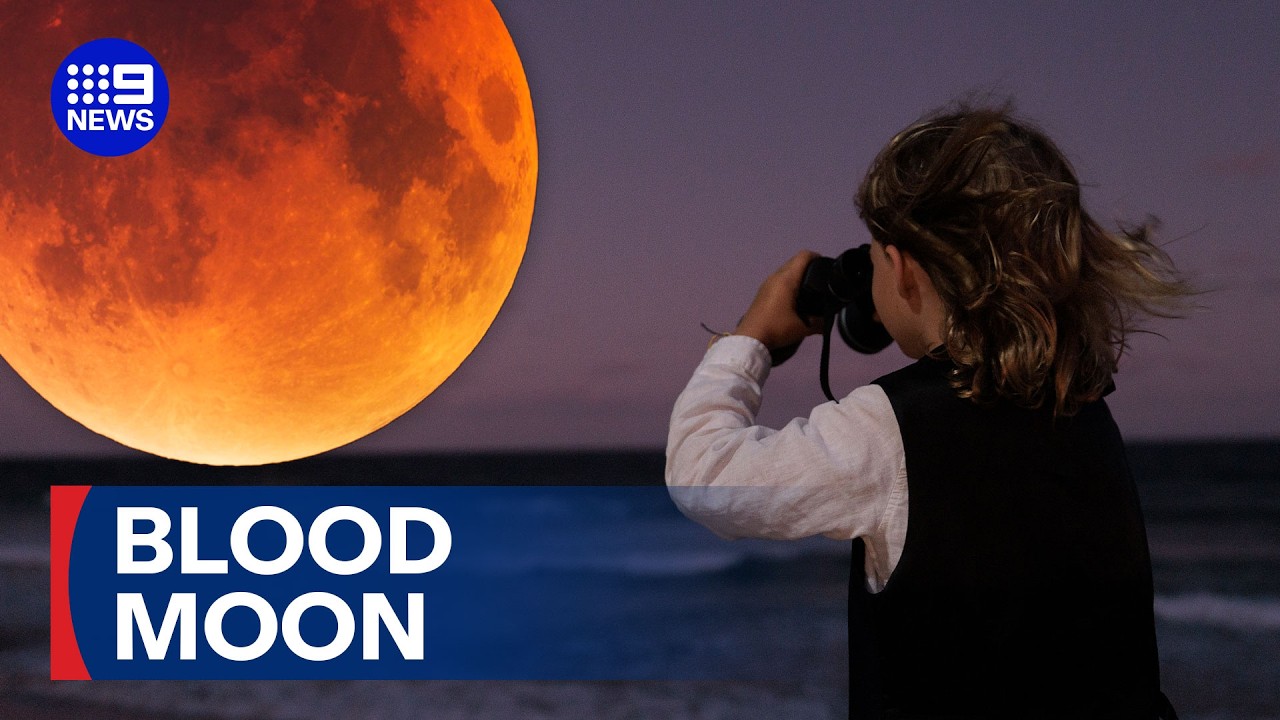
Australia's Rare 2021 Blood Moon: A Crimson Spectacle Captured in NSW
The night of May 26, 2021, etched itself into the memories of stargazers and photographers across Australia, particularly those in New South Wales (NSW). This wasn't just any full moon; it was a rare celestial trifecta: a Super Moon, a Blood Moon, and a Total Lunar Eclipse, also known as the Flower Moon. For countless individuals, it presented an unparalleled opportunity to witness and capture truly stunning Australia Blood Moon photos, transforming the ordinary night sky into an extraordinary canvas of deep reds and oranges. The anticipation leading up to this event was palpable, with amateur astronomers and professional photographers alike preparing their gear, scouting locations, and hoping for clear skies to capture this fleeting astronomical wonder. The resulting imagery from NSW, showcasing the moon's dramatic transformation against iconic landscapes, continues to inspire awe and serves as a testament to the beauty of our universe.Unveiling the 2021 Super Blood Moon: A Celestial Spectacle Down Under
To understand the magic of the May 26, 2021, event, it's essential to break down its composite elements. Firstly, it was a Super Moon. This occurs when a full moon coincides with the moon's closest approach to Earth in its elliptical orbit (perigee). The result is a moon that appears slightly larger and brighter than usual, amplifying its visual impact. Secondly, and most dramatically, it was a Blood Moon – a captivating phenomenon caused by a total lunar eclipse. During a total lunar eclipse, the Earth passes directly between the sun and the moon, casting a shadow that completely covers the lunar surface. However, some sunlight still filters through Earth's atmosphere, scattering blue light and allowing red and orange wavelengths to pass through, ultimately illuminating the moon with an eerie, reddish glow. This effect is similar to how sunsets paint our skies with warm hues. The 2021 event also carried the charming moniker of the "Flower Moon," a traditional name given to May's full moon by various cultures, often coinciding with the vibrant bloom of spring flowers in the Northern Hemisphere. For Australia, and particularly NSW, this convergence of a Super Moon, a Blood Moon, and a Total Lunar Eclipse during sunset presented a truly unique and breathtaking spectacle. The timing was crucial; as the sun dipped below the horizon, painting the western sky in fiery colours, the rising full moon began its dramatic shift, moving from bright silver to a deep, mesmerizing crimson. This spectacular timing allowed photographers to capture the eclipse in context with Australian landscapes, creating truly iconic Australia Blood Moon photos.NSW's Prime Viewpoint: Woy Woy and Beyond
While the 2021 Blood Moon was visible across various parts of Australia, New South Wales offered some of the most spectacular viewing and photographic opportunities. Among the notable locations highlighted by enthusiasts and photographers was Woy Woy, a picturesque town on the Central Coast of NSW. The tranquil waters of Brisbane Water and the surrounding natural beauty provided an idyllic backdrop for the moon's ascent and its subsequent transformation. As the sun set on May 26, 2021, the eastern horizon became the stage for this rare celestial ballet. The moon rose, large and luminous, already beginning its journey into Earth's shadow, casting a striking silhouette against the twilight sky. The advantage of a location like Woy Woy, and indeed many coastal and elevated areas within NSW, was the relatively unobstructed view of the eastern horizon. Photographers eagerly set up their tripods, often incorporating foreground elements like water reflections, silhouetted trees, or distant cityscapes to add depth and narrative to their Blood Moon photography. Capturing the full moon rising during sunset, just as the eclipse began, required careful planning and precise timing. The moon’s trajectory, combined with the Earth’s rotation and the eclipse’s progression, meant that every minute counted. From the bustling shores of Sydney Harbour to the serene expanses of the Blue Mountains, NSW residents and visitors were treated to an unforgettable display. To truly appreciate the local experience, you might enjoy Relive Australia's Super Blood Moon Eclipse: Woy Woy's Rare View for an in-depth look at this specific viewpoint.Capturing the Crimson Glow: Tips for Stunning Blood Moon Photography
Photographing a Blood Moon, especially one as magnificent as the 2021 event in NSW, presents both challenges and immense rewards. To truly capture the essence of this rare phenomenon and produce breathtaking Australia Blood Moon photos, preparation and technique are key.Here are some essential tips for aspiring astrophotographers:
- Equipment Matters: A sturdy tripod is non-negotiable for sharp images, especially when using longer exposure times. A telephoto lens (200mm or more) will help bring the moon closer, but don't shy away from wider lenses to capture the moon within a landscape. A remote shutter release or self-timer will minimise camera shake.
- Manual Mode is Your Friend: Automatic settings won't cut it for a lunar eclipse. You'll need to shoot in manual mode (M) to control your exposure precisely.
- Exposure Bracketing: The moon's brightness changes dramatically during an eclipse. Start with settings like ISO 100-400, aperture f/8-f/11, and shutter speed around 1/125th to 1/250th of a second for the full, bright moon. As the eclipse progresses and the moon darkens, you'll need to increase your ISO and shutter speed significantly, perhaps to ISO 800-3200 and shutter speeds of several seconds or even tens of seconds during totality. Experiment!
- Focus Precisely: Manual focus is best. Use live view zoom to focus on the moon's craters for sharp details. Alternatively, focus on a distant star before the moon appears.
- Composition is Key: Don't just point and shoot the moon. Incorporate interesting foreground elements – a city skyline, a unique tree, or a body of water – to add context, scale, and artistic flair to your Australia Blood Moon photos. The interplay of the crimson moon with a silhouetted landscape can be incredibly powerful.
- Scout Your Location: Before the event, visit your chosen spot during the day (or even another full moon night) to check for obstructions, light pollution, and good vantage points.
- Patience and Observation: The eclipse unfolds over hours. Take your time, observe the changes in colour and light, and adapt your settings accordingly. The Blood Moon's colour can vary from bright orange to deep brick red depending on atmospheric conditions.
Post-processing can further enhance your images, allowing you to fine-tune colours, contrast, and sharpness, bringing out the incredible details and the true vibrance of the crimson glow.